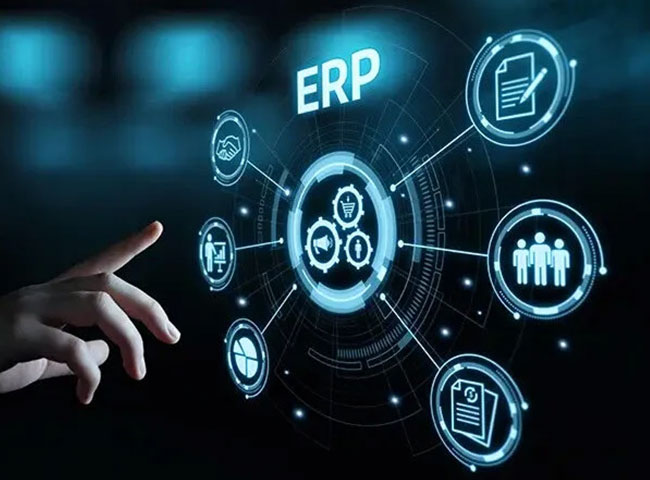
ERP Software (Enterprise Resource Planning)
ERP stands for Enterprise Resource Planning, and ERP software refers to a suite of software applications that are designed to help businesses manage and automate their core business processes and operations. ERP software typically integrates a range of modules that work together to provide a comprehensive solution for managing a company's resources, including financials, human resources, supply chain management, inventory management, and more.
Key Features of ERP Software:
- Integrated Modules: ERP software typically includes various modules that cover different aspects of a business, such as:
- Finance and Accounting: Manage financial transactions, accounts payable/receivable, and financial reporting.
- Human Resources (HR): Handle employee data, payroll, performance, recruiting, and benefits administration.
-
- Supply Chain Management: Manage procurement, inventory, supplier relationships, and logistics.
- Manufacturing: Oversee production planning, scheduling, work orders, and quality control.
- Customer Relationship Management (CRM): Track customer interactions, sales, marketing campaigns, and customer service.
- Sales and Distribution: Handle order processing, sales tracking, and invoicing.
- Project Management: Plan and track project timelines, budgets, and resources.
- Centralized Data: ERP consolidates business data into a single database, reducing data silos and improving accuracy.
- Automation: ERP systems automate routine tasks like invoicing, payroll, and inventory updates, helping businesses reduce manual effort and human error.
- Real-time Reporting: ERP software offers reporting and analytics tools that provide real-time insights into various aspects of the business, such as financial health, inventory levels, and employee performance.
- Customization: Many ERP systems can be tailored to the specific needs of the business, including custom reports, workflows, and interfaces.
- Collaboration: ERP systems enable seamless communication across departments, providing a unified view of operations.
- Compliance & Security: ERP solutions help companies comply with industry regulations (e.g., tax laws, financial reporting standards) and maintain data security.
- Improved Efficiency: By automating repetitive tasks, employees can focus on higher-value work.
- Better Decision-Making: Access to real-time data helps managers make informed decisions quickly.
- Cost Reduction: Streamlining operations can lead to cost savings in areas such as procurement, inventory management, and HR.
- Scalability: ERP systems can scale as businesses grow, accommodating additional users, modules, and functionality.
Benefits of ERP Software
Popular ERP Software Solutions:
- SAP ERP: One of the largest and most popular ERP systems, often used by large enterprises.
- Oracle ERP Cloud: A comprehensive cloud-based ERP solution suited for various industries.
- Microsoft Dynamics 365: Offers integrated modules for finance, operations, sales, and customer service.
- NetSuite ERP: A cloud-based ERP solution ideal for small-to-medium-sized businesses.
- Infor ERP: Offers industry-specific ERP solutions, such as for manufacturing, healthcare, and retail.
- Odoo: A modular, open-source ERP system known for its flexibility and affordability.
Types of ERP Systems:
- On-Premise ERP: The software is installed locally on the company’s servers and managed by the organization.
- Cloud-Based ERP: Hosted on the vendor's servers and accessed through the internet, reducing the need for in-house IT infrastructure.
- Hybrid ERP: Combines elements of both on-premise and cloud-based systems.
Challenges of ERP Implementation:
- Cost: ERP systems, especially for large enterprises, can be expensive, both in terms of software licensing and implementation costs.
- Customization Complexity: Tailoring an ERP system to a company's specific needs can be complex and time-consuming.
- User Adoption: Employees may resist change, requiring extensive training and change management efforts.
- Integration: Integrating ERP with existing systems, such as legacy software or third-party applications, can be challenging.
Conclusion:
ERP software is a powerful tool for organizations looking to streamline their operations, improve collaboration, and gain better insights into their business. However, careful selection and proper implementation are crucial to realizing its full potential.
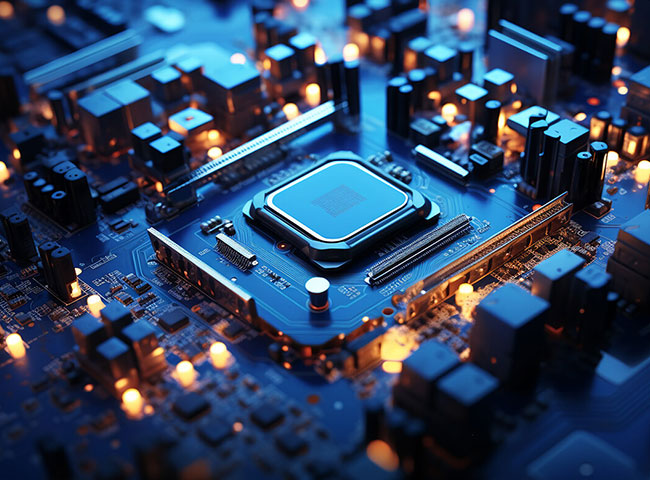
Branded Computers
Branded Computers refer to computers manufactured and sold by well-known companies that offer high-quality products backed by strong customer service, warranties, and support. These computers are often preferred for their reliability, performance, and brand reputation, and they typically come with pre-installed software and security features that ensure ease of use and optimal performance.
Leading Branded Computer Companies:
- Dell: One of the most recognized names in the computer industry, Dell offers a wide range of desktop PCs, laptops, and workstations for consumers, businesses, and enterprises. Dell is known for its customizable PCs, high performance, and reliable customer service.
- HP (Hewlett-Packard): HP is a global leader in computing technology, offering a broad selection of desktops, laptops, printers, and accessories. HP is known for producing high-quality, durable computers for both home and business use, with a focus on innovation and sustainability.
- Apple: Known for its premium design and user experience, Apple offers computers such as the MacBook Air, MacBook Pro, and iMac. Apple computers are popular for their sleek design, powerful performance, and integration with Apple's ecosystem of software and services.
- Lenovo: A leading global brand, Lenovo provides a wide range of computers, including ThinkPad laptops and Yoga series, catering to both business professionals and home users. Lenovo is known for its high-performance laptops, especially in the enterprise and education sectors.
- Acer: Acer manufactures a variety of affordable and high-performance computers, including desktops, laptops, and gaming PCs. Acer is popular for offering great value for money and is often chosen by consumers looking for a balance between cost and performance.
- Asus: Known for its gaming laptops and desktops, Asus produces high-performance computers that cater to gamers, professionals, and creatives. Their ROG (Republic of Gamers) series is particularly popular among gamers due to its advanced features and powerful specifications.
- Microsoft (Surface): Microsoft's Surface line includes laptops, tablets, and all-in-one PCs, known for their sleek design, versatility, and seamless integration with Windows operating systems. Surface devices are popular among professionals and students for their portability and productivity features.
- MSI (Micro-Star International): MSI is a leading manufacturer of gaming laptops and desktop PCs, as well as workstations. They are known for producing high-performance gaming computers with advanced graphics and cooling systems, catering to gamers and content creators.
These companies offer branded computers that are often preferred for their reliability, build quality, support services, and advanced technology. Whether you're looking for a high-end workstation, a reliable business laptop, or a gaming powerhouse, these brands provide a wide range of options to meet diverse computing needs.
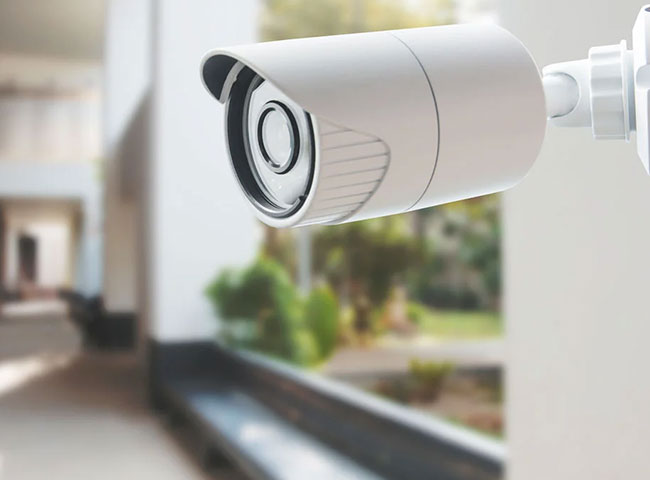
CCTV (Closed-Circuit Television)
CCTV (Closed-Circuit Television) is a surveillance system that allows for the monitoring and recording of activities in specific locations, providing security and surveillance for both residential and commercial purposes. Unlike broadcast television, CCTV systems transmit signals to a limited set of monitors, making the transmission more secure and controlled. These systems are widely used to deter crime, monitor property, enhance public safety, and provide real-time surveillance. Modern CCTV systems include high-definition cameras, motion detection, remote viewing, and cloud-based storage, offering advanced features for more effective and convenient security management.
The purpose of ERP software is to provide a unified platform for businesses to manage their day-to-day operations, improve collaboration and communication between departments, and streamline business processes. By providing a single source of truth for all business data, ERP software can help businesses make better-informed decisions and improve their overall efficiency and productivity.
Leading CCTV Brands:
- Hikvision: One of the largest and most popular CCTV manufacturers globally, offering a wide range of cameras, including IP cameras, PTZ cameras, and thermal cameras, known for their high-quality imaging and advanced features.
- Dahua Technology: A major player in the video surveillance market, known for offering both IP and analog solutions with a focus on innovation, intelligent video analytics, and HD video quality.
- Axis Communications: A leading provider of network cameras and video surveillance solutions, Axis is renowned for its high-quality IP cameras and advanced network video recording systems.
- Samsung (Hanwha Techwin): Known for providing a variety of CCTV solutions, Samsung offers high-definition video surveillance cameras with cutting-edge features, such as advanced image processing and analytics.
- Bosch Security Systems: A trusted name in the security industry, Bosch provides reliable, high-performance CCTV cameras, integrated systems, and smart surveillance solutions with strong encryption and data protection.
- Lorex: Popular for offering consumer-friendly CCTV products, Lorex specializes in affordable, high-quality security cameras for home use, featuring features such as remote access, night vision, and weatherproofing.
- TP-Link: Known for affordable IP camera solutions that offer reliable security and easy integration with home automation systems, TP-Link provides smart cameras with features like motion detection and mobile app control.
These brands offer a range of CCTV solutions, from high-end enterprise-grade surveillance systems to affordable home security cameras, ensuring that businesses and individuals can find the right system to meet their specific security needs.
Networking
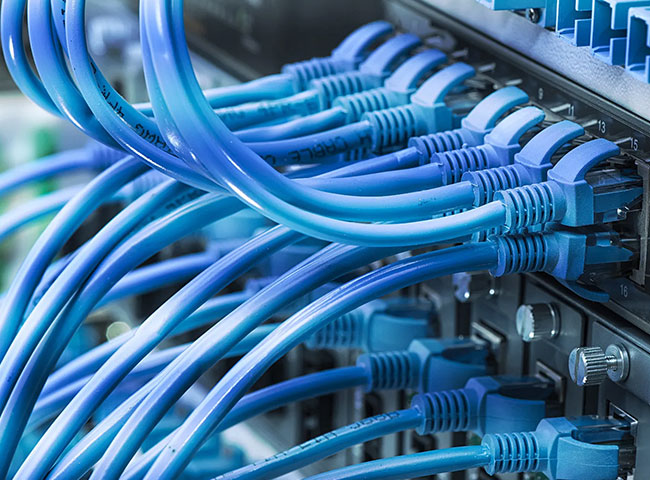
Branded Computer Network Companies refer to companies that specialize in providing high-quality networking hardware, software, and solutions for building and managing computer networks. These brands offer reliable and secure products to help organizations establish, maintain, and scale their IT infrastructure. Networking solutions include routers, switches, firewalls, wireless access points, network security tools, and more. These companies are widely
Leading Branded Computer Network Companies:
- Cisco Systems: Cisco is the global leader in networking and cybersecurity solutions. It offers a wide range of products, including routers, switches, firewalls, wireless access points, and network management tools. Cisco is known for its industry-leading technologies and robust, scalable solutions designed for businesses of all sizes. Cisco’s networking equipment powers the backbone of many corporate, data center, and telecommunications networks worldwide.
- Juniper Networks: Juniper is a major player in the networking industry, providing high-performance network solutions, including routers, switches, and firewalls, aimed at large enterprises, service providers, and data centers. Known for its innovative software-defined networking (SDN) and security products, Juniper is recognized for helping organizations optimize and secure their network infrastructure.
- Arista Networks: Arista is a leading provider of cloud networking solutions for large data centers, high-performance computing environments, and cloud service providers. Arista's switches and routers are known for their high throughput and scalability, making them ideal for businesses looking to build robust network infrastructures for cloud computing and data-intensive applications.
- Hewlett Packard Enterprise (HPE): HPE offers a range of networking products under its Aruba Networks brand. Aruba specializes in wireless LAN (Wi-Fi), network switches, and security solutions for enterprises. HPE is known for providing integrated networking solutions that emphasize ease of management, security, and performance in both small businesses and large organizations.
- Ubiquiti Networks: Ubiquiti is popular for providing affordable, high-performance networking solutions. Their products include wireless access points, routers, network switches, and surveillance cameras. Ubiquiti is particularly well-known for its UniFi series of networking devices, which offer a centralized management platform for businesses, campuses, and home users looking for cost-effective, scalable networking solutions.
- Netgear: Netgear is a leading brand for both consumer and small-to-medium business networking equipment. It offers a variety of routers, wireless access points, network switches, and storage solutions. Netgear is recognized for providing affordable and user-friendly networking solutions that are easy to set up and manage, with a focus on home networks, small businesses, and even enterprise wireless solutions.
- TP-Link: TP-Link is known for producing a wide range of affordable networking products such as routers, switches, access points, and mesh systems. TP-Link offers both home and small-business networking solutions with a reputation for reliability and ease of use. The brand is popular for its Omada and Deco lines for cloud-managed networking and home mesh Wi-Fi systems, respectively.
- Extreme Networks: Extreme Networks provides enterprise-grade networking solutions with an emphasis on cloud-driven, software-defined networking (SDN). The company offers switches, routers, wireless access points, and network management software, designed for industries that require high-performance and highly secure network infrastructures, such as education, healthcare, and manufacturing.
- Fortinet: Fortinet specializes in cybersecurity solutions integrated with networking infrastructure. Known for its FortiGate firewalls, Fortinet also provides secure networking hardware and software solutions, including routers, switches, and wireless solutions. Fortinet is highly regarded for its advanced security features and threat detection capabilities, making it a popular choice for organizations looking to secure their networks.
- Dell Technologies (Dell Networking): Dell's networking division, which is part of its enterprise solutions portfolio, provides high-performance switches, routers, and network management tools. Dell’s networking products are known for their scalability and are commonly used in data centers, enterprises, and service provider networks.
Key Networking Solutions Offered by These Brands:
- Routers: Devices that direct traffic between different networks (e.g., from the internet to a local network).
- Switches: Devices that connect multiple devices within a local network, allowing them to communicate efficiently.
- Firewalls: Security devices that monitor and control incoming and outgoing network traffic based on predetermined security rules.
- Wireless Access Points (WAPs): Devices that allow wireless devices to connect to a wired network through Wi-Fi.
- Network Security: Comprehensive security solutions, including intrusion detection/prevention systems (IDS/IPS), secure network access, and VPNs.
- Cloud-managed Networking: Networking solutions that are managed remotely via the cloud for ease of deployment, monitoring, and management.
Conclusion:
Branded computer network companies play a critical role in the modern IT landscape, offering businesses and individuals high-quality, secure, and scalable networking solutions. Whether it’s ensuring fast, reliable internet connectivity, protecting against cyber threats, or managing complex enterprise networks, these companies provide the hardware and software necessary to build and maintain efficient, secure networks for a wide range of applications.
Security System equipment
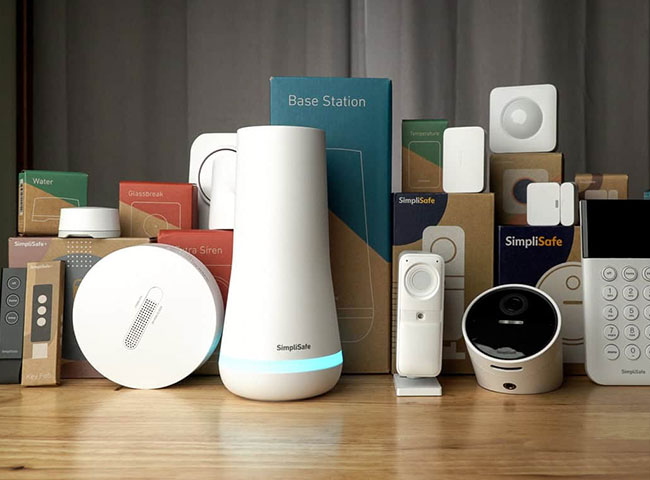
Security System & Gadgets Companies specialize in providing products and technologies designed to protect homes, businesses, and other properties from theft, intrusion, fire, or other safety threats. These companies offer a wide range of security solutions, including surveillance cameras, alarms, motion sensors, smart locks, access control systems, and home automation gadgets. The growing demand for home security, especially in the era of smart technology, has made security systems an essential part of modern living and business operations.
Leading Security System & Gadgets Companies:
- ADT Inc.: ADT is one of the most well-known security companies globally, offering a broad range of home and business security systems, including 24/7 monitoring services, surveillance cameras, alarm systems, and smart home integration. ADT is known for its reliable and professional monitoring services, often offering customized security solutions for different types of properties.
- Ring: Ring, now owned by Amazon, is a popular brand for home security gadgets, particularly its video doorbells, security cameras, and home security systems. Ring devices allow homeowners to monitor their property remotely through their smartphones, providing video feeds, two-way audio, and motion detection alerts.
- SimpliSafe: SimpliSafe is a provider of DIY home security systems that are easy to install and customize. The company offers wireless alarm systems, security cameras, motion detectors, and smart locks, with no long-term contracts. SimpliSafe is known for its affordability and flexibility, making it a popular choice for homeowners looking for a straightforward, cost-effective security solution.
- Vivint: Vivint offers smart home security systems that combine home automation features with advanced security technology. Known for its professionally installed equipment, Vivint offers security cameras, doorbell cameras, smart locks, and motion sensors, all integrated into a central platform that can be controlled remotely through a smartphone app.
- Nest (Google Nest): Google Nest, a subsidiary of Alphabet, offers a range of smart home security gadgets, including smart cameras, video doorbells, smart thermostats, and smoke detectors. Their security cameras, such as the Nest Cam, are popular for their ease of use, high-quality video, and integration with Google Assistant and other smart home devices.
- Honeywell Security: Honeywell is a leading provider of home security systems and commercial security solutions. They offer a variety of products, including burglar alarms, smoke detectors, surveillance cameras, and access control systems. Honeywell’s security solutions are highly regarded for their quality, reliability, and integration capabilities with other home automation devices.
- Frontpoint: Frontpoint is another popular DIY security company that provides customizable home security systems, including sensors, cameras, smart locks, and environmental monitoring (e.g., fire and carbon monoxide detectors). Frontpoint is known for offering robust customer support, mobile apps for remote monitoring, and no long-term contracts.
- Abode: Abode provides DIY smart security systems that allow users to customize their home security setup. Their product line includes security cameras, door/window sensors, smart locks, and motion detectors, all of which can be managed through a mobile app. Abode also offers flexible subscription plans for monitoring and cloud storage.
- Arlo Technologies: Arlo is a leading brand for security cameras and surveillance systems, particularly known for their wireless outdoor cameras. Arlo offers a wide variety of video surveillance options, including HD and 4K cameras, smart video doorbells, and floodlight cameras with integrated motion detection. Arlo cameras can be controlled and monitored remotely through its user-friendly mobile app.
- Lorex: Lorex is a provider of surveillance equipment, including security cameras, DVR/NVR systems, and doorbell cameras. They offer a range of wired and wireless security cameras, including 4K Ultra HD models, designed for both residential and business security. Lorex is known for its high-definition surveillance and advanced features like night vision and motion detection.
Popular Security Gadgets Offered by These Companies:
- Surveillance Cameras: Indoor and outdoor cameras that provide video footage for monitoring and security purposes. These may include smart cameras, wireless cameras, and 4K HD cameras.
- Video Doorbells: Gadgets like Ring and Nest Hello that allow homeowners to see and communicate with visitors remotely through a mobile app.
- Smart Locks: Digital locks that can be controlled remotely, allowing for keyless entry, usually through an app or voice assistant.
- Motion Sensors: Devices that detect movement and trigger an alarm or notification when suspicious activity is detected.
- Alarm Systems: Home or business alarm systems that detect unauthorized entry, smoke, fire, or other threats and alert homeowners or security personnel.
- Home Automation: Integration of security devices with other smart home technologies, such as lighting, thermostats, and voice assistants like Amazon Alexa or Google Assistant.
- Environmental Sensors: Devices that monitor for hazards like carbon monoxide, smoke, and water leaks, alerting homeowners to potential dangers.
- Smart Cameras: Cameras with advanced features such as facial recognition, two-way audio, and night vision.
Conclusion:
Security system and gadget companies offer a wide range of products designed to enhance safety, protect property, and provide peace of mind. With advancements in smart technology, many of these companies now integrate their devices into larger home automation ecosystems, allowing users to monitor and control their security systems remotely. Whether you're looking for a simple home alarm system or a fully integrated smart security solution, these brands offer a variety of products to meet the needs of modern consumers and businesses.
Technology services provider
Technology Services Providers are companies or organizations that offer a wide range of services designed to support businesses and individuals in leveraging technology to achieve their goals. These providers specialize in offering IT solutions, infrastructure management, software development, cloud services, cybersecurity, data management, and more. By offering expert support and tailored solutions, technology services providers help businesses optimize their operations, improve productivity, ensure security, and stay competitive in an increasingly digital world.
Key Services Offered by Technology Service Providers:
- Managed IT Services: Managed service providers (MSPs) offer comprehensive IT support, such as network management, troubleshooting, and helpdesk services. They often provide proactive monitoring and maintenance, ensuring that systems remain secure and functional, reducing the risk of downtime.
- Cloud Computing: Cloud service providers deliver scalable cloud-based infrastructure, storage, and software solutions. These services enable businesses to store data, run applications, and manage workloads on remote servers, ensuring greater flexibility, cost savings, and accessibility.
- Cybersecurity Solutions: Technology services providers also offer cybersecurity services to help protect businesses from cyber threats such as hacking, data breaches, and malware. These services include network security, threat detection, vulnerability assessments, firewalls, and encryption to safeguard sensitive data.
- Software Development: Custom software development services are provided by technology service firms to create tailored applications for businesses. This can include web development, mobile app development, enterprise software, and system integration services designed to meet specific business needs.
- IT Consulting: IT consulting services help businesses plan, implement, and optimize their technology infrastructure. Consultants provide expert advice on IT strategies, digital transformation, system integration, and selecting the right software and hardware solutions.
- Network and Infrastructure Services: These services include setting up and maintaining physical and virtual networks, ensuring efficient communication and data exchange within an organization. Network services might cover wireless networks, data center management, VPNs, and system integration.
- Data Management & Analytics: Data services include data storage, backup, recovery, and advanced analytics. Technology service providers offer solutions to help businesses manage their data efficiently and make data-driven decisions through business intelligence tools and analytics platforms.
- IT Support and Helpdesk: Many technology service providers offer 24/7 support for troubleshooting, software updates, hardware repairs, and IT infrastructure management. This support helps businesses resolve IT issues quickly and minimize downtime.
- Enterprise Resource Planning (ERP) & CRM Solutions: Some service providers offer specialized software solutions like ERP (Enterprise Resource Planning) and CRM (Customer Relationship Management) systems that help businesses streamline operations, improve customer engagement, and manage resources efficiently.
Leading Technology Services Providers:
- Accenture: A global leader in consulting and technology services, Accenture offers a wide range of IT solutions, including cloud computing, cybersecurity, artificial intelligence, and digital transformation strategies for businesses worldwide.
- IBM: IBM provides a variety of technology services, including cloud computing, AI solutions, blockchain technology, IT infrastructure, and consulting services. They are known for their enterprise-level technology solutions and innovations.
- Microsoft: Microsoft offers technology services across cloud (Azure), productivity software (Office 365), enterprise resource planning (Dynamics), and cybersecurity. As a tech giant, Microsoft’s services help businesses of all sizes operate more efficiently in the digital world.
- Tata Consultancy Services (TCS): TCS is an IT services company based in India, offering consulting, software development, cloud computing, and IT infrastructure management. TCS serves clients in various industries, including banking, healthcare, and manufacturing.
- Infosys: Infosys is another prominent technology services company from India that provides IT consulting, cloud services, data analytics, and enterprise solutions. The company is known for helping businesses with digital transformation and IT modernization.
- Cognizant: Cognizant is a global technology services company specializing in IT consulting, digital transformation, AI, cloud, and IT infrastructure. They focus on helping clients innovate and achieve business growth through technology.
- Wipro: Wipro provides technology solutions including cloud services, automation, cybersecurity, enterprise software, and consulting. It is known for its IT service management and offering solutions to large enterprises looking to optimize their operations.
- Capgemini: Capgemini provides consulting, technology, and outsourcing services, specializing in cloud solutions, IT infrastructure management, and AI. Capgemini is focused on helping businesses adapt to digital technologies and improve operational efficiency.
- Dell Technologies: Dell offers a range of IT services and solutions, including cloud storage, virtualization, data management, and hardware solutions. They are known for their work in providing end-to-end technology services for businesses of all sizes.
Conclusion:
Technology services providers play a vital role in the modern business landscape by helping companies navigate the complexities of the digital world. From improving business efficiency through custom software and cloud computing to ensuring cybersecurity and data management, these companies offer a wide array of services tailored to meet specific business needs. By leveraging their expertise, businesses can innovate, optimize, and scale their operations, ensuring long-term success in a technology-driven world.